
What is the Importance of Boundary Walls Warrington for Homeowners?
Key Highlights
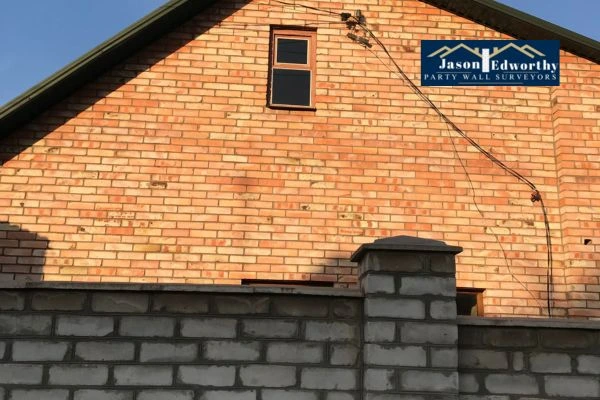
A boundary wall is a clear dividing line between two places. It helps property owners know their space and what they have to take care of.
If you follow rules like the Party Wall Act, you can avoid fights and keep property boundaries safe.
A boundary wall can make your property value go up, and it can also make the area look nicer.
If you look after the boundary wall, you keep things safe, make it last longer, and keep good relations with your neighbours.
You must follow height restrictions and be sure you meet all legal rules when you build or change any boundary wall.
If you understand the ownership rights and know what the responsibilities of property owners are, there will be fewer problems and more peace of mind for everyone.
Introduction
Boundary walls are important for homeowners. A boundary wall makes a clear physical boundary between two properties. This helps people keep their privacy and feel safe in their homes. A boundary wall can also make a place look good and help keep the property value up.
Many property owners feel that a boundary wall is a must-have because it helps keep peace with neighbours. If you follow the rules and know what boundary walls are for, you can stop problems before they start. In this blog, you will find more about why boundary walls matter and what property owners need to do and watch out for.
The Role of Boundary Walls Warrington in Homeownership
Boundary walls show where your property line is. These walls are a strong physical barrier that keep people out unless they are allowed in. They also make it clear who owns each part of the land. With walls like this, homeowners feel peace of mind because everyone knows what their rights are. A good boundary wall also helps people avoid fights with their neighbours.
These walls do more than mark property boundaries. They also help keep your home safe and give you privacy. When these lines are easy to see, they protect your space and keep your things secure. This makes you feel more safe. You can use these walls to block off your garden or to add some sophistication to how your home looks. These walls have many uses. Let’s see what these boundaries mean and the ways they help you and your home.
Defining Boundary Walls Warrington and Their Purpose
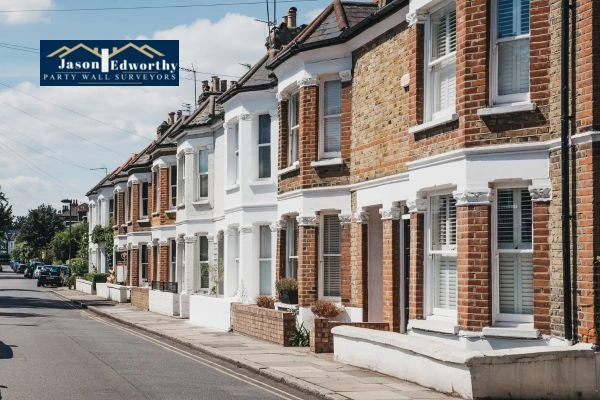
Boundary walls are solid barriers that stand between two different properties. They show a clear dividing line for property owners. A boundary wall is not like a party wall, which sits exactly on the property line and is shared by neighbours. A boundary wall stands fully on just one person’s land. Because of this, it belongs to that one property owner.
These walls do more than just show where the property boundaries are. They help keep your garden safe from harm. They also make the area feel more secure and stop people who should not be there from coming in. By making the borders clear, these walls take away guesswork. This lets everyone know what they need to do or care for. So, they play a big part for the homeowners.
Boundary walls can be made out of brick, concrete, or timber. These walls often look good and last a long time. A boundary wall can help make a home look nice and increase its property value. They match the style of the home and fit in well. A boundary wall gives you privacy and clearly marks where the property line is. It also works to protect the home. So, for property owners, a boundary wall does more than set the property line. It also adds safety and helps make the area better. The next part will talk about how useful these walls are for anyone who owns a home.
Key Benefits for Property Owners
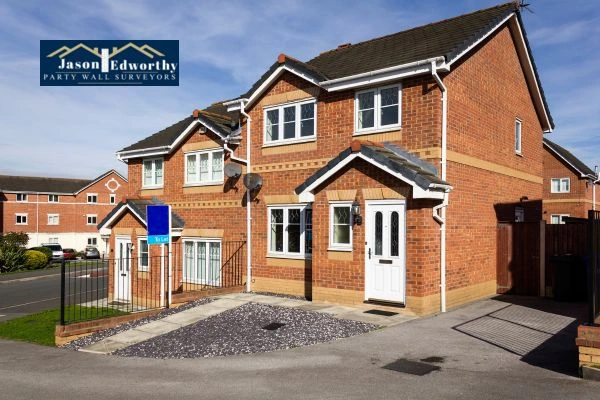
Boundary walls give property owners many benefits. They help make your property safer. They also add value to it.
Property Value: If you look after your boundary wall, it can help your property value go up. People notice when you take care of it, and this helps your place last longer.
Aesthetic Appeal: When you work on making the walls look good, they bring more beauty to your home. A nice design on the boundary wall helps your place feel right in your area.
Security: A strong boundary wall helps keep you safe from trespassers. It also gives some cover against harsh weather conditions.
Good Relations: A clear boundary wall can help keep good relations with your neighbours. Everyone knows what is theirs, so it cuts down on arguments.
Boundary walls help homeowners keep a good and clear line between their land and someone else’s. A boundary wall also helps keep your home safe and makes it look nice. If you want more privacy in your garden or want your property to have more style and feel special, building a boundary wall is a good idea.
A wall can add value and a bit of sophistication to the whole place. Property owners in the UK also need to make sure the wall follows the law. This can keep things calm and friendly with your neighbours. Now, let’s look at some of the UK legal issues about property owners, their boundary wall, and where a property boundary lies.
Legal Considerations for Boundary Walls Warrington in the UK
Boundary walls in the UK are subject to rules that property owners must follow when building or repairing them. The Party Wall Act is the law for a party wall that is shared with a neighbour. But most boundary walls are covered by common law and the property deeds.
The HM Land Registry can help people check where the lines are for each property, so they do not get into fights with others about their land. The deeds and the UK laws help make this clear for everyone.
Most of the time, height restrictions mean that a wall can be up to 2 meters tall without you needing planning permission. But if the property is in a Conservation Area or listed, different rules may apply. It is good for property owners to know about these rules so they can follow the law, get along with their neighbours, and keep everyone safe.
Ownership Rights and Responsibilities
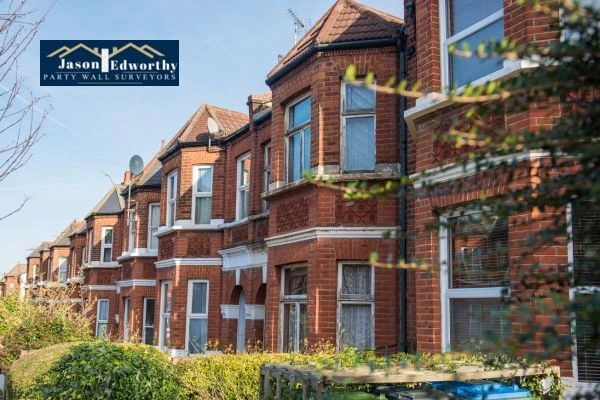
Ownership rights indicate who is responsible for the boundary wall. If the boundary wall encircles a property, the homeowner will most likely own the entire wall. But if there is a shared wall, both property owners must look after it together.
Property owners need to do their part. This includes doing regular checks. They should fix the cracks right away. It is important to ensure water can flow out easily. If someone wants to change a shared wall, it is advisable to consult a party wall surveyor. The surveyor helps both sides agree on what is best for the party wall.
You should always check the property deeds or ask HM Land Registry to confirm who owns each part of the boundary wall. If there are multiple owners, they can often disagree. You can use mediation to help with this, or go to court if you do not reach an agreement.
If you keep good records and talk openly with the other owners, things will go better. This will also help stop bigger problems with the boundary wall.
Compliance with Local Authority Regulations
Following local rules helps ensure boundary walls are safe and legal. Homeowners need to know about planning permissions for the type of wall they want. It is also important to check the height restrictions, especially if your place is in a Conservation Area or close to listed buildings.
This is shown in the following detailed table, which describes the major compliance rules.
|
Regulation |
Details |
|---|---|
|
Planning Permission |
Required for walls over 2 meters in height or in sensitive zones. |
|
Construction Standards |
Ensures stability through adequate thickness and material use. |
|
Conservation Area Protocols |
Stricter guidelines apply to preserve the visual integrity. |
|
Height Restrictions |
Typically capped at 2 meters outside roads; 1 meter next to roads. |
Getting help from surveyors is very important. They know the legal rules and can guide you through them. With their advice, your project can go well and without problems.
What permissions do I need to build near boundary walls Warrington in the UK?
You do not need planning permission if the boundary wall is under 2 meters tall. But if the property is in a Conservation Area or near a listed building, you might need it. It is a good idea to check the property line. You should talk to your local authority. This will help you know what is right and ensure you follow UK rules regarding the boundary wall.
Who is responsible for repairing shared boundary walls?
The owners on both sides of a party wall have to take care of it together, unless their property deeds say something different. When you use a party wall surveyor and follow the Party Wall Act, you can feel sure the repairs will be done fairly and managed the right way. A surveyor helps make sure both sides are looked after and the work is done right.
How high can I legally build my boundary wall?
In most cases, you can build garden walls up to 2 meters high without planning permission. But if the wall is next to a road, height restrictions require it to be no more than 1 meter. It is always a good idea to check with your local authority about height restrictions and planning permission rules in your area.
What are the most durable materials for boundary walls?
Concrete, natural stone, and brick are among the most durable options for boundary walls. These materials are strong. They can take on harsh weather conditions without any trouble. If you choose to use timber, know that it is a versatile material. But it will need regular care. You must do this to keep it strong, especially with changes in the weather.
How can I resolve a boundary wall dispute with my neighbour?
To resolve a boundary wall issue with your neighbour, it’s best to start with a friendly conversation. Try to work things out with them so you both feel good about the answer. If that does not work, check the local rules and any documents you have for the boundary wall. If you still cannot fix it, you can consider mediation or seek legal help. Always make things clear between you and your neighbour while you are working on it. This helps keep the problem from getting worse.