
Building a Loft Conversion Warrington on a Party Wall
Key Highlights
- The Party Wall Act 1996 sets out the main rules you need to follow when you do a loft conversion that involves shared walls in England and Wales.
- A party wall agreement is important if you want to change shared walls or other parts of the building. It helps you stay within the law and avoid trouble with your neighbours.
- Sometimes adjoining owners can have issues with the changes. That is why it is a good idea to get a surveyor who knows what to do.
- Giving your neighbours a party wall notice early helps everyone know what kind of construction work you will do.
- When you convert a loft, you need to consider keeping the building safe and assessing load-bearing walls.
- Find out how expert surveyors and legal processes can keep things fair and help settle problems if they come up.
Introduction
Planning a loft conversion on a party wall can bring new choices to you and your home. But before you start, you need to know about party wall matters. The Party Wall Act 1996 gives the main rules for any construction work that uses a shared wall. This law is there to protect homeowners and their neighbours. It is important to understand this legal framework so that things go smoothly as you work. This guide outlines the most important steps, from ensuring the loft is safe to handling any problems that may arise. You will find simple tips for your loft conversion to help you finish your work without stress.
Understanding A Loft Conversion Warrington and Party Walls in the UK
When you want to make your loft a useful space, many people in the UK choose loft conversions as a top home improvement option. If your house shares a wall with another home, the Party Wall Act 1996 is relevant. This law helps guide you in doing any construction work. It makes sure you do not cause trouble or damage to the people who own the adjoining property.
It is good to know about party walls. A party wall is not just a wall that sits between two homes. These walls also give strong structural support to both properties. If you handle all party wall matters, your construction work will remain legal. It can also help you get along better with your neighbours. Let’s look more at loft conversions and see what party walls mean for this type of project.
What Is a Loft Conversion Warrington?
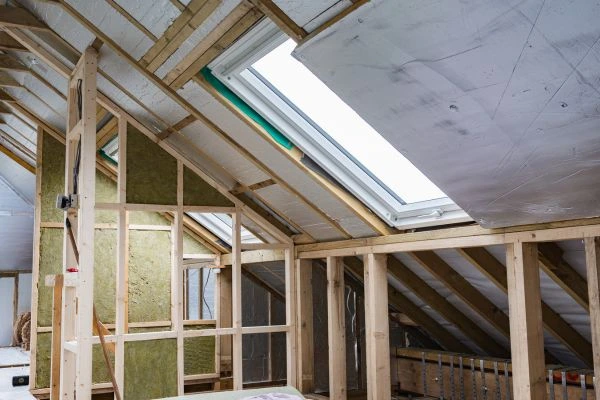
A loft conversion lets you turn your loft or attic into a usable area. This gives you more space inside the home, so you do not have to build onto the house. Many homeowners choose a loft conversion when they want extra room for bedrooms, an office, or a place to relax or enjoy some fun.
These loft conversions stand out for using the existing structure. This can help you save money. You also do not have to deal with the hard parts of adding space on the ground level. You can pick a simple Velux loft conversion if you want. Or, you might go for a bigger dormer addition. The second option changes the roof, giving you the most space possible.
These changes are considered home improvements and can help increase your property’s value. But if your loft conversion involves a shared wall, you need to handle party wall matters so you do not have any trouble with your neighbours. For your loft conversion to go well, you need to follow the law and ensure your plans are in line with what the loft can support. Try to balance what you want with what the house can handle.
What Is a Party Wall and Why Does It Matter?
A party wall is a wall shared by two properties. It works as a divider between them. This wall also provides structural support. In other words, it helps hold up both buildings. You often see this wall between terraced houses. Sometimes, it can also be a ceiling or a floor separating flats on top of each other.
Party walls are important to all adjoining property owners. When anyone works on a shared wall, it can affect both sides of that wall. Even small things, like cutting into the wall to fit a beam or removing a chimney breast, can cause trouble with the structural support. These jobs might bring up safety concerns for people who share the wall. That is why it is so important to talk with others in the building and share information.
The law, called the Party Wall Act 1996, says you have to get your neighbour’s permission before you start any work that may change the party wall. The Party Wall Act is there for work like excavations that are close to your neighbour’s house. This law is there to help keep homes and buildings safe, even when you do a loft conversion in your house. If you stick to the rules, talk things over with your neighbours, and work with them, you have a better chance of getting your loft work done and still have good relationships with people who live next to you.
Legal Requirements for Loft Conversion Warrington Involving Party Walls
When you want to do a loft conversion and your project shares a wall with your neighbour, you have to follow the rules set by the law. The Party Wall Act 1996 tells you what steps to take and what paperwork you need before you start this kind of work. A party wall agreement is key. It helps keep the building work on your property and also protects your neighbour’s rights.
You need to serve a party wall notice and obtain the necessary approvals. Be ready for building and legal checks as well. If you do not do these things, you might get into legal trouble. You may also need to stop your work before it is done. To help you, this is a closer look at the legal process.
The Party Wall Act 1996 Explained
The Party Wall Act 1996 is the main rule you need to know in England and Wales when you want to work on walls that are shared. It gives building owners the right to change or work on party walls. At the same time, the Act is there to protect adjoining property owners. It sets rules to help stop problems or arguments before they happen. This way, everyone who shares or owns an adjoining property can feel their rights are safe.
The Act explains how to serve a party wall notice. In this notice, you let your neighbour know about work that you want to do. This work might change a shared structure. The person who lives next door has to give their written consent to your plan. If they do not agree, then surveyors will get involved. A legal process will then be used to solve the problem. This will end with a party wall award to resolve the issue.
Some important rules help keep buildings safe and let people live well with their neighbours. These rules also ensure that all work meets building codes. If you want to work on a shared wall, like putting in new steel beams or making changes like underpinning or removing a piece of the wall, you have to use this system. When you do things this way, everyone has legal safety and peace of mind.
Do All Loft Conversion Warrington Require a Party Wall Agreement?
Not every loft conversion needs a party wall agreement. But you do have to get one if your work changes a shared wall. If you are putting a beam into a wall that supports weight, changing how thick the wall is, changing the size, or removing the whole thickness of the wall, you need to get permission under the Party Wall Act 1996. This is important for any work on a shared wall in your loft.
There are times when you will not need a party wall agreement. If you live in a house that stands alone and does not share sides with any other house, you will not usually have to deal with party wall matters. You might only need to think about it if you work close to a shared wall or the edge of your land. In the same way, if you build your loft to sit on special columns and it does not touch a shared wall, you can often skip the party wall agreement.
It’s a good idea to send a party wall notice if you plan to do any work on or near a shared wall. This helps you determine whether you need a formal agreement for the changes you want to make. If you address these issues early, you can avoid problems with others. It also helps ensure your construction work complies with the law.
Common Challenges When Building on a Party Wall
Making changes to party walls can be hard for people. A lot of the time, people have problems with their neighbours’ property owners. This may be because the two sides do not talk to each other enough. Sometimes, one side thinks that the work will harm their place.
There can also be risks to the building itself. If you make alterations without proper planning, you can compromise the structural integrity. This is very important when installing new steel beams for your loft conversion. To avoid these problems, it is best to talk to experts first. They help you see possible issues early. This will help you fix problems before they become big issues in your loft project.
Potential Disputes with Neighbours
A party wall dispute can take place when two neighbours do not agree about work that is about to be done. This can happen if one is planning a loft conversion or other types of alterations. A lot of people are worried about the risk of damage, loss of privacy, or problems between the buildings.
If there is a problem within 14 days of a party wall notice being sent, a surveyor can help. They step in to sort things out and make a complete party wall award. The best way to avoid a fight is to keep talking and get party wall advice. For example, owners can agree to changes while requesting rules to keep their home safe, based on what the experts say.
If a party wall dispute gets bigger, it can mean waiting for a long time and spending more money. This is why you have to plan your loft conversion or other loft alterations carefully. It is also good to talk things over with everyone involved right from the start.
Structural Considerations and Risks
Changing shared walls means you have to think about structural integrity. This is important to stop issues during and after the work is done. When you do loft projects, like installing chamber beams or adding support under a party wall, mistakes in planning can make the next property less safe.
The Party Wall Act helps keep people safe by stopping big problems before they start. You have to look at load-bearing walls to keep the structural support strong, so you and your neighbours do not have problems. The Party Wall Act also requires you to review plans carefully, so you follow safety rules at every step.
Expert surveyors help lower many risks. They look out for problems like a damp-proof course not being installed properly. They also spot risks like tearing down a wall in the wrong way. They make sure that, after changes, the foundations will hold the weight correctly. Their job is to make sure the work is safe and done right.
Beginner’s Guide: How to Build a Loft Conversion Warrington on a Party Wall
Starting your loft conversion and dealing with a party wall means you have to prepare, obtain the right permits, and speak to professional surveyors. If you take these early steps—such as sending a party wall notice and ensuring you have all the necessary permissions—it will help everything move smoothly with your loft project.
If you decide to change the wall height or add insulation in the loft, you need to comply with the law at every step. Be sure to use our step-by-step plan. You should also speak with experts. This will help you do the job right and finish your project without problems.
What You’ll Need to Get Started (Permits, Professionals, and Plans)
Starting a loft conversion means you have to think about a few important things. The first step is to serve a party wall notice on your adjoining property owners. This is needed so you stay in line with the Party Wall Act. You should get a party wall surveyor to help you if there is any problem with the adjoining property. The surveyor will also check the structural integrity of the loft and ensure everything is in order.
You also have to make sure you get the right permits. Make sure you follow building regulations. It is important when you plan your construction work, especially for things like damp proofing and the structural support for your loft. This helps you keep your construction work on track. You should make detailed plans that show all the work and any alterations you need. This can make it easier for you and for people living near your home.
Step-by-Step Guide/Process
The process has to start with good planning. You also need to talk to all the people who are part of it. Here is a simple rundown that is shown in a table:
| Step | Action |
|---|---|
| Step 1: Determine impact | Check the plans to see how the existing party wall will be affected. Take time to look at the structure. |
| Step 2: Serve Notice | Write and send a party wall notice to show and tell others about your plans. |
| Step 3: Resolve disputes | If your neighbours do not agree, get surveyors to help sort things out and find one answer. |
| Step 4: Execute works | Move ahead with your construction work. Be sure to stick to what was agreed. |
By taking these steps, your project will be in line with the law. This will also help you not have problems or fights with other people.
Step 1: Determining If Your Project Affects a Party Wall
Your first step is to check if your loft has a shared structure. In many cases, when you do a loft conversion in a terraced or semi-detached house, it will affect the existing party wall. You must follow the party wall regulations when this happens.
Many changes can alter the wall’s thickness or add extra support beams to help it stay strong. People who live close to you in other flats might worry that these alterations could affect their part of the structures. For example, this can happen if you plan to add a new damp-proof course.
When you know the work will affect the shared wall, you have to get ready and give a party structure notice. This notice must specify the type of work you plan to do on the shared wall.
Step 2: Serving a Party Wall Notice
When you want to do a loft conversion, you have to draft and send a party wall notice. This is very important. You need to tell the adjoining owners about your plans. Let them know what work will be done during the loft conversion. Also, say when the planned start of the works will be. This will keep them informed about your loft project.
Be sure to put your name and your property address in the notice. You should also list all changes that will be made. This can include any alterations to the entire length of the wall. You may also mention whether you plan to put up temporary structures during construction. You can give this notice in person, send it by mail, or email it if that works for them.
If your neighbours do not agree, you might need to hire a surveyor and take additional steps. Acting on time helps the loft work move forward. This also shows you care about your neighbours’ worries.
Step 3: Agreeing Terms and Drawing Up the Party Wall Agreement
Agreeing on clear, fair terms with a party wall agreement helps you avoid trouble and problems with your neighbour. You and your neighbour can use an agreed surveyor who works for both of you. Or, each of you can choose your own surveyor if you like. These surveyors follow the legal framework to agree. They put in rules that you and your neighbour have to follow for any building work.
The agreement should specify when the work will take place or whether the timing might change. This can help people feel better about noise or mess. Make sure the agreement has steps for fire safety and insulation, too. This will help keep your project safe and make sure it follows the rules.
When you and the other surveyor agree, there will be no need for a third surveyor. A third surveyor will only step in if you both cannot work things out or if you have trouble making a decision.
Step 4: Carrying Out the Loft Conversion Warrington Work
Once you have approval, construction work can begin. The builders will work by following what everyone has agreed on. First, they will put up some temporary setups to keep the adjoining property safe. Next, they will move on to bigger structural changes. This can include adding steel to help support the loft.
When installing insulation or removing the chimney breast, you should always follow all fire safety rules. This work must not interfere with the parts that support the space or anything close to it. It is important to ensure everything stays safe and secure when you do work like this.
If you follow all the rules in your agreements, the construction work will go well. This will also help you get along with people, not only in the loft but in other areas too.
To sum up, doing a loft conversion that involves a party wall requires careful planning, and you have to follow the rules. You need to know about the Party Wall Act 1996. You should also understand what steps you must take. This way, you can avoid having problems with your neighbours and stop issues during building before they happen. If you follow the process—like checking whether your loft project affects a party wall, sending the right notices, and making agreements—you help the whole loft work go more smoothly.
Taking the time to learn about the Party Wall Act and complying with it can help you protect what you own. It can also make your place feel better to live in. If you plan to do a loft conversion or change your loft, you can get in touch to have a free talk about your plans.
Can a neighbour stop my loft conversion Warrington if it involves a party wall?
Yes, under the Party Wall Act 1996, neighbours have the right to say no. If they do not agree, the work does not just stop right then. Instead, both sides need to work with surveyors to deal with this dissent. The work can start again only after a party wall agreement is in place. This ensures everyone has agreed and that the area is safe.
How much does a party wall agreement typically cost in the UK?
In London and England, a surveyor usually charges from £900 to £2,700. If the loft needs some tough alterations and you have two surveyors, you might need to pay between £1,800 and £5,400. You will feel better if you hire RICS surveyors. They help you and the other side reach an agreement on any major changes to structural support.
What happens if I start work without a party wall agreement?
Starting work on your loft without an agreement breaks the Party Wall Act. This can lead to a court order requiring you to stop the work right away. There can also be claims for potential damages by your neighbours if there are any problems. You might have to stop, change the plan, or pay for any issues arising from these unauthorised loft alterations.
How long does the party wall agreement process take?
The process starts when the building owner gives notice. After that, the party wall surveyor needs at least two months to be ready and to have the important agreements signed. If there are any problems or if people do not agree, it might need more time. This time is there to help everyone follow the law. It also lets work start safely. The surveyor will make sure that everything is done as it should be.