Thinking about a loft conversion? Converting unused attic space is one of the most innovative ways to create extra living space without moving house. A well-designed loft conversion can add a new bedroom, office, or playroom — and increase your property’s value by up to 20%.
In this guide, we’ll walk you through the types of loft conversions, average costs, planning rules, and whether you’ll need a party wall agreement before commencing work.
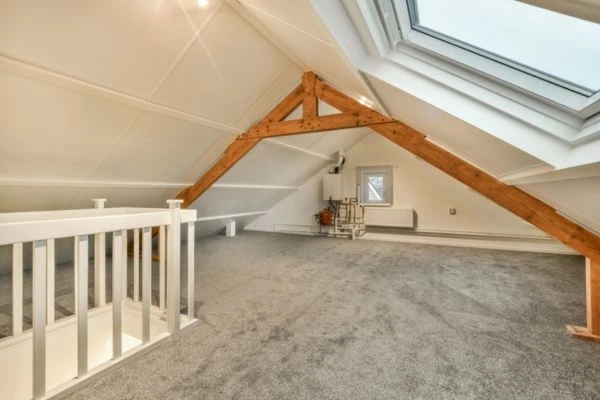
A loft conversion is the conversion of the unused area under your roof into a usable, livable room. Loft conversion costs are an important factor for most UK homeowners, as they don’t have to lose garden space like with a traditional extension.
Common uses include:
The cost of a loft conversion varies depending on your property and the type of conversion you choose.
Factors affecting cost include:
💡 Tip: A loft conversion is often one of the highest ROI home improvements, adding both space and long-term property value.
Dormer Loft Conversion
The most popular choice, a dormer extends out from the roof slope, adding more floor space and natural light.
Mansard Loft Conversion
Built along the full length of your roof, a mansard offers maximum usable space — perfect for period properties and terraced houses.
Velux Loft Conversion
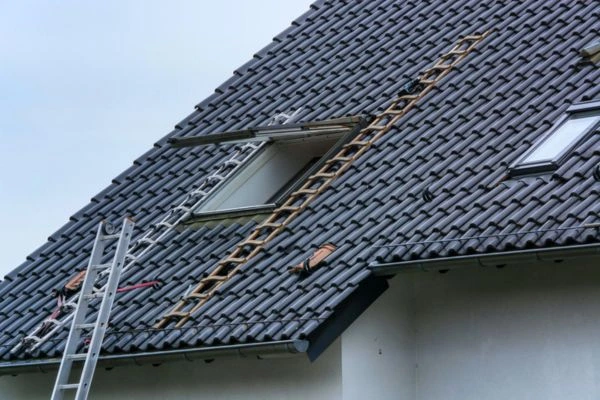
Also known as a rooflight conversion, this option installs skylights without altering the roofline. It’s the most straightforward and most affordable type of loft conversion.
However, if part of your new loft conversion work lies directly on or adjacent to a boundary wall that is party to another property (i.e. shared with), then chances are you will need a party wall agreement under the Party Wall etc. Act.
This legal contract safeguards the homeowner by way of:
Notifying neighbours of planned works
Outlining responsibilities and timelines
Preventing disputes before construction starts
👉 If your home is semi-detached or terraced, make sure you get professional advice before you start.
Most loft conversions fall under permitted development rights, meaning you don’t always need planning permission. However, you may require permission if:
Regardless of planning, building regulations approval is always required to ensure your loft conversion meets safety, insulation, and structural standards.
Choosing a Loft Conversion Specialist
Picking the right contractor is crucial for a smooth project. Here’s what to look for:
💡 Always get at least three quotes and compare not just on price, but on experience and detail.
Q1: How much does a loft conversion cost in the UK?
A loft conversion typically costs between £25,000 and £50,000, depending on the type (Velux, dormer, or mansard), size of your loft, and finishes.
Q2: Do I need planning permission for a loft conversion?
Most loft conversions fall under permitted development rights and don’t need planning permission. However, you may need it if you raise the roofline, live in a conservation area, or make significant alterations to the property’s exterior.
Q3: How long does a loft conversion take?
On average, a loft conversion takes 6–10 weeks from start to finish. Simple Velux conversions are faster, while dormer and mansard designs can take longer.
Q4: Do I need a party wall agreement for a loft conversion?
If your loft conversion affects a shared wall with a neighbour (common in terraced and semi-detached houses), you’ll likely need a party wall agreement under the Party Wall Act 1996.
Q5: Does a loft conversion add value to my home?
Yes. A loft conversion can add up to 20% to your property value, making it one of the most cost-effective home improvements.
A loft conversion is one of the most rewarding home improvements you can make — unlocking valuable space, increasing property value, and adapting your home to suit your lifestyle.
Whether you’re exploring design options, budgeting for costs, or navigating a party wall agreement, our team of experts is here to help.