

The reason this question is important is that if you are going to carry out any building work on or adjacent to a party wall, it matters considerably more than most people seem to realise. A Party Wall Agreement is not just a formality — it will protect your legal position as well as that of your neighbour.
The difficulty here is that you may not realise your project is subject to these regulations until you are already in the thick of it.
A simple, practical checklist saves time, reduces stress, and prevents awkward situations later on.
This guide explains it in simple, clear terms — when you actually need one, the types of work that trigger it, and how to handle it properly without making it feel more complicated than it needs to be.
What Is a Party Wall Agreement and When Does It Apply?
A Party Wall Agreement is a formal arrangement between you and your neighbour when planned building work affects a shared wall, boundary, or structure. It falls under the Party Wall etc. Act 1996, which is there to help prevent disputes and protect both sides.
It usually applies when:
- You’re working on a wall shared with another property.
- You’re building on or near a boundary line.
- You’re digging close to neighbouring foundations.
Before starting work, you’re legally required to serve a Party Wall Notice. Your neighbour can then agree or dissent. If they dissent, a surveyor (or surveyors) will step in to create a Party Wall Award.r can then agree or dissent. If they dissent, a surveyor (or surveyors) will step in to create a Party Wall Award.
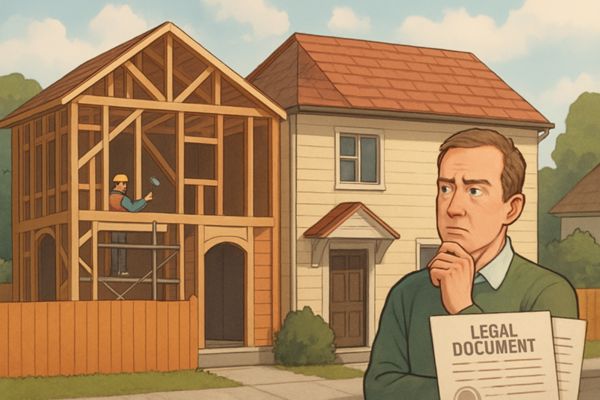
What Types of Building Work Require a Party Wall Agreement?
And not all projects require one, but many well-known home improvements do. See Building an Extension to Your Boundary Line
If your work entails the following, you probably will need a Party Wall Agreement :
- Change in the wall shared structure.
- Building on the boundary line
- Excavation near a neighbouring property
- Modifications to walls that are common with semi-detached or terraced homes
The Act can catch even small projects if they affect public areas or shared structures.
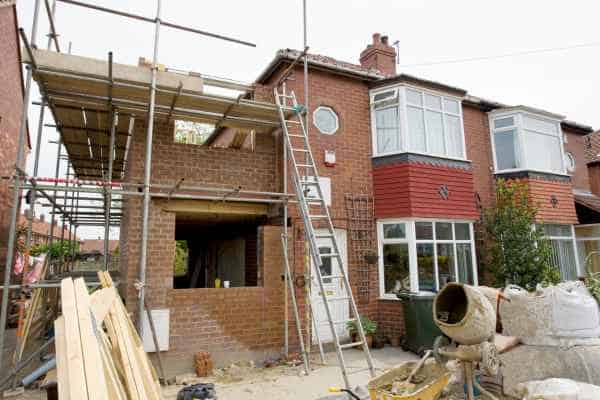
Are You Planning an Extension or New Wall on the Boundary?
If you’re building an extension that sits on or right up against the boundary line, you’ll almost certainly need a Party Wall Agreement.
This includes:
- Rear extensions close to neighbouring walls
- Side returns built along the boundary
- New walls were built directly on the boundary line.
Even if your neighbour is happy with the plans, formal notice is still required.
Are You Converting Your Loft or Altering a Shared Wall?
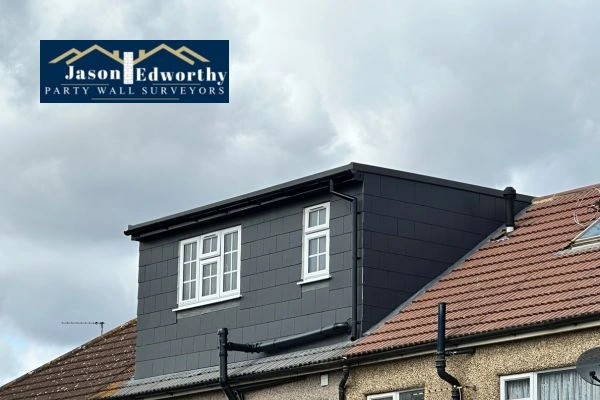
Loft conversions are one of the most common triggers for Party Wall Agreements Warrington.
You’ll likely need one if your project includes:
- Cutting into a party wall to fit steel beams
- Raising or thickening the shared wall
- Altering chimney breasts attached to a shared wall
Because these changes affect the structural integrity of a shared wall, they fall squarely under the Act.
Are You Carrying Out Basement Works or Deep Excavations?
Planning a basement or digging foundations? This is another key trigger.
You’ll need a Party Wall Agreement if you’re:
- Excavating within 3 metres of a neighbouring property and going deeper than their foundations
- Excavating within 6 metres in certain deeper scenarios
- Underpinning or lowering your floor level
These works carry a higher risk of structural impact, which is why the rules are stricter.
Are You Removing or Altering Structural Features?
Removing or modifying structural elements can also bring the Act into play. See here: Implications of not having a party wall agreement
This includes:
- Removing chimney breasts attached to a shared wall
- Cutting into walls to add beams or supports
- Knocking through internal walls that connect to a party wall agreement
Even if the change seems internal, it may still affect shared structures.
Are You Carrying Out Damp-Proofing or Wall Treatments?
Some treatments might also need to be proven, particularly if it comes to:
- Part wall damp proofing (injecting)
- Stripping of plaster or finishes on inter-tenancy walls
- Applying treatments that can affect the structure of the wall or moisture levels
These may not seem like big deals, but they can and will affect the adjacent property.

Have You Notified Your Neighbour as Required?
Before starting any work covered by the Act, you’ll need to give your neighbour written notice.
Typical notice periods:
- 2 months is the time frame for completing structural work on a party wall
- 1 month for excavation or building it on the boundary
Proceed only if your neighbour has provided prior written consent. If they don’t, the issue is referred to an official procedure, with surveyors appointed to arbitrate it justly.
What Happens If You Skip a Party Wall Agreement?
Not doing this step can cause significant trouble. See Here: Damage to property by neighbours’ building work. What do you do next
You could face:
- Legal action from your neighbour
- Work is being stopped mid-project
- Replacement costs in the event of damage
- Delays and added expenses
Sometimes you will have to roll back work that has already been done. For this reason, it is one of those cases where proper planning up front saves a world of pain later on.
Final Yes/No Checklist: Do You Need a Party Wall Agreement?
Here’s the same checklist so you can clearly see why a Party Wall Agreement Warrington is needed.
| Question | Yes | No | Why it matters |
| Are you building on or right next to your boundary line? | ☑ | Are you treating a shared wall for damp (e.g., damp-proofing)? | Building on or near the boundary directly affects the legal line between properties, so your neighbour must be formally notified. |
| Are you doing any work on a wall you share with your neighbour? | ☑ | ☐ | A shared (party) wall belongs to both sides, so any changes legally require agreement. |
| Are you putting steel beams into a shared wall (like in a loft conversion)? | ☑ | ☐ | Inserting beams changes the structure of the wall and could impact your neighbour’s property. |
| Are you digging foundations or trenches near your neighbour’s property? | ☑ | ☐ | Excavation can affect the stability of nearby buildings, even if you don’t touch them directly. |
| Are you building an extension close to your neighbour’s house? | ☑ | ☐ | Close construction can affect foundations, walls, and access — all covered by the Act. |
| Are you removing or changing a chimney breast on a shared wall? | ☑ | ☐ | Chimney breasts are often connected to shared walls, so altering them can affect both properties. |
| Are you digging a basement or underpinning your property? | ☑ | ☐ | These are high-risk works that can impact structural support, making formal agreements essential. |
| Are you treating a shared wall for damp (e.g. damp-proofing)? | ☑ | ☐ | Even treatments can affect the wall’s condition or moisture balance on both sides. |
| Have you already given your neighbour formal written notice? | ☑ | ☐ | This is a legal requirement — without notice, the work isn’t compliant with the Act. |

FAQs – Real Problems Homeowners Face
Q1: My builder says I don’t need a Party Wall Agreement Warrington, but my neighbour is asking for one — what should I do?
Do not rely solely on your builder. The law may also apply if your work will affect a shared wall or boundary. A notice clarifies the situation and minimises issues with the neighbour.
Q2: I’ve already started my extension, and now my neighbour is complaining — am I in trouble?
You could be. Your neighbour can raise legal concerns or even stop the work. The safest step now is to start the party wall process straight away to limit delays and extra costs.
Q3: My neighbour is refusing to agree — does that mean I can’t continue?
No. If they dissent, surveyors step in and create a Party Wall Award Warrington. This allows the work to go ahead while protecting both sides.
Q4: I am removing just a chimney breast — do I still need to go through this process?
Yes, in most cases. Even if it seems a minor job, because it is structural work to the party wall, this normally falls under the Act.
Q5: What happens if my neighbour does not comply at all with the notice?
If you fail to respond in 14 days, it is treated as a dispute. You can then hire a surveyor to get things into gear the right way.
Q6: Will a Party Wall Agreement Warrington Protect Me?
Yes, it creates a clear record of the property’s condition and sets out who is responsible for what, helping to avoid misunderstandings or unfair claims later on.
For further information, please call US on 03300 101 381